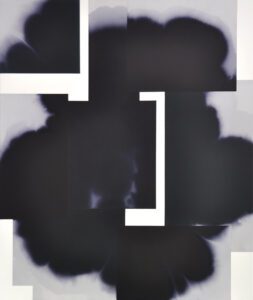
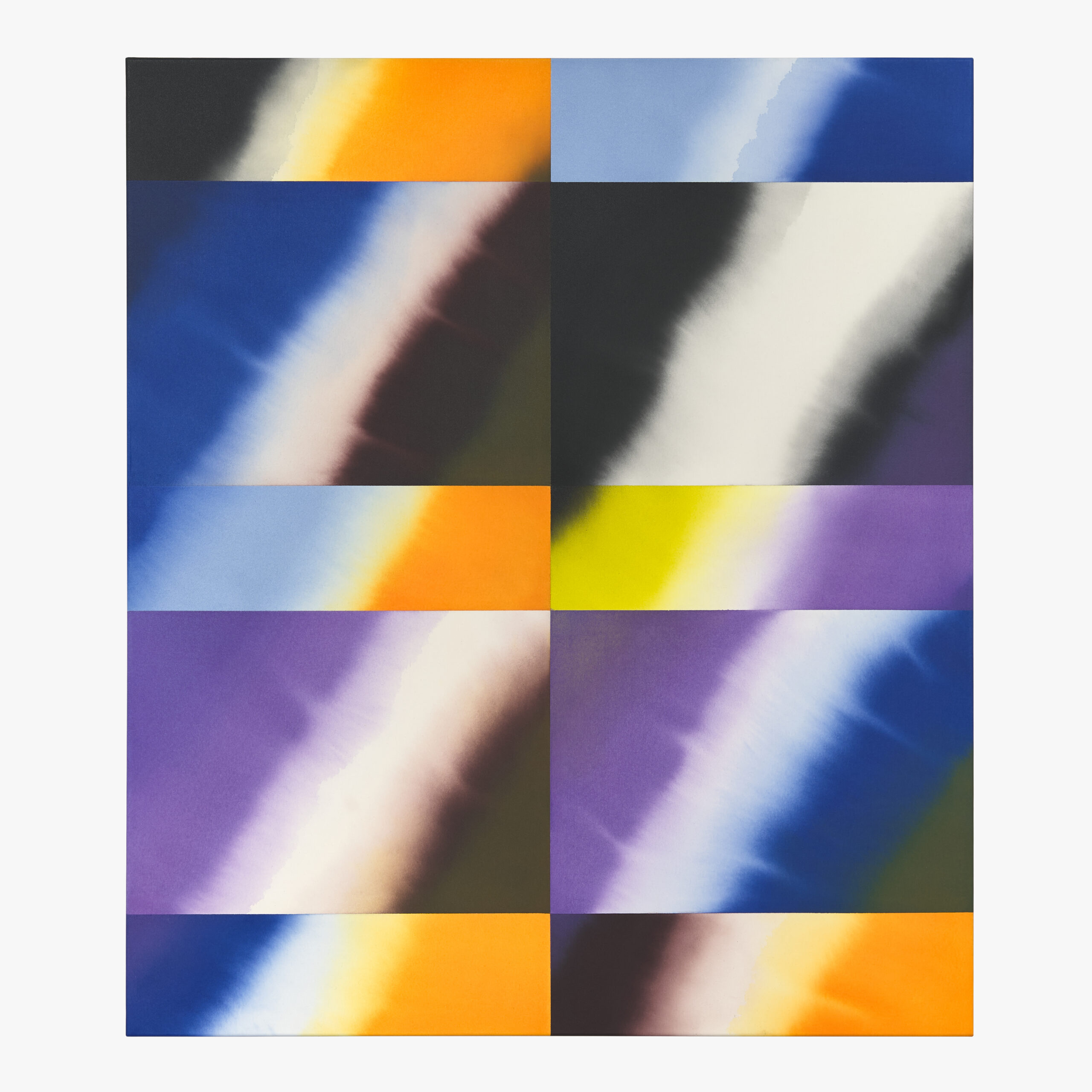
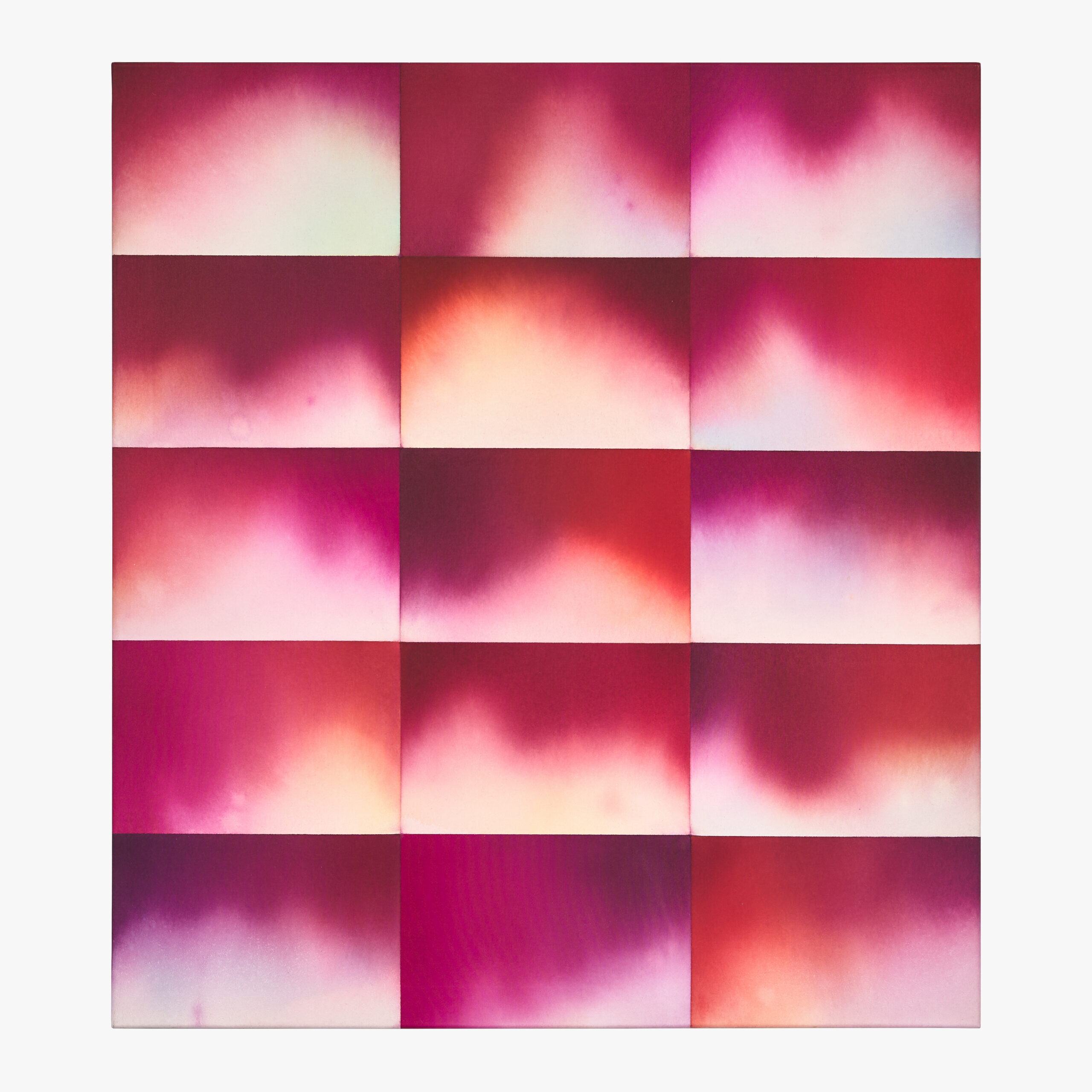
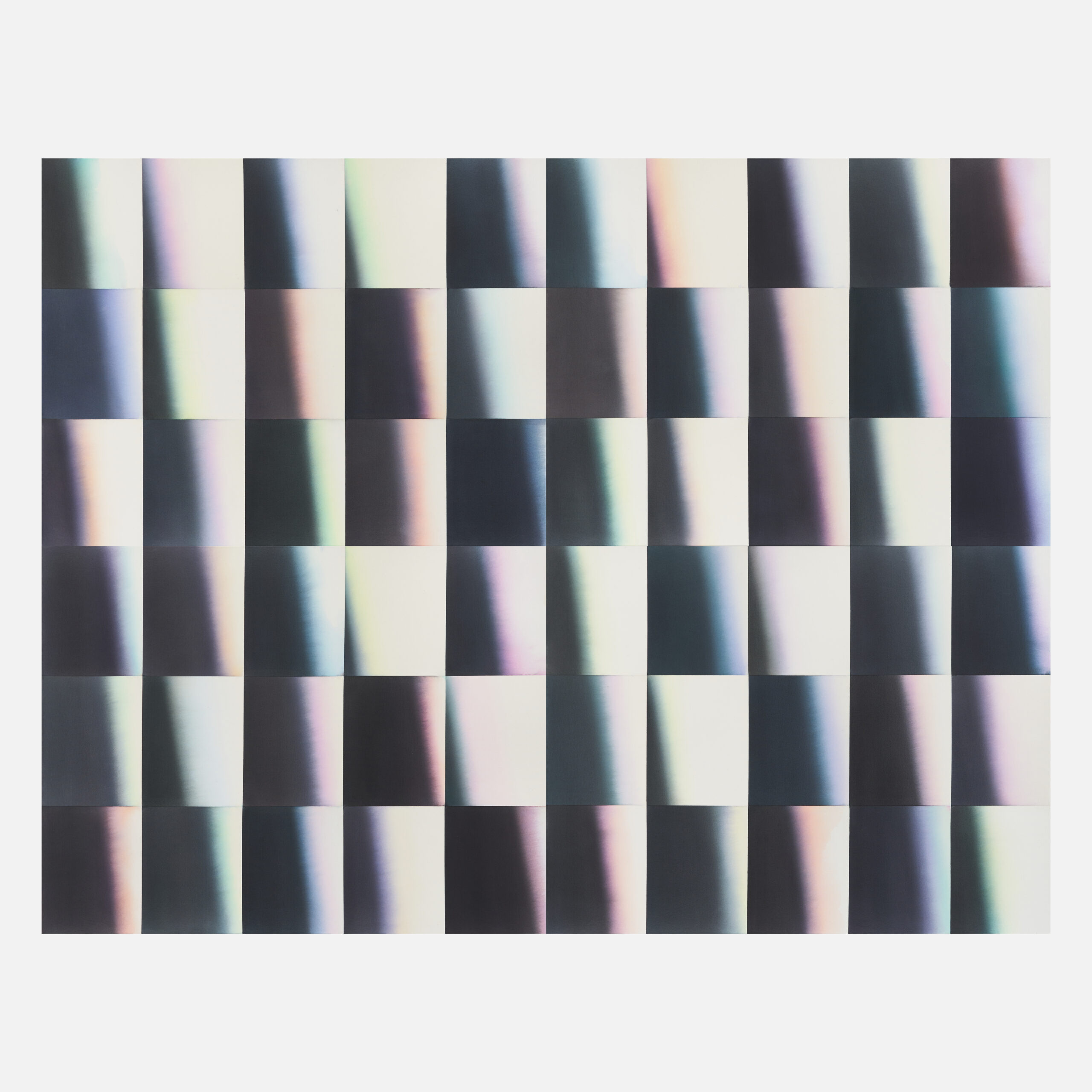
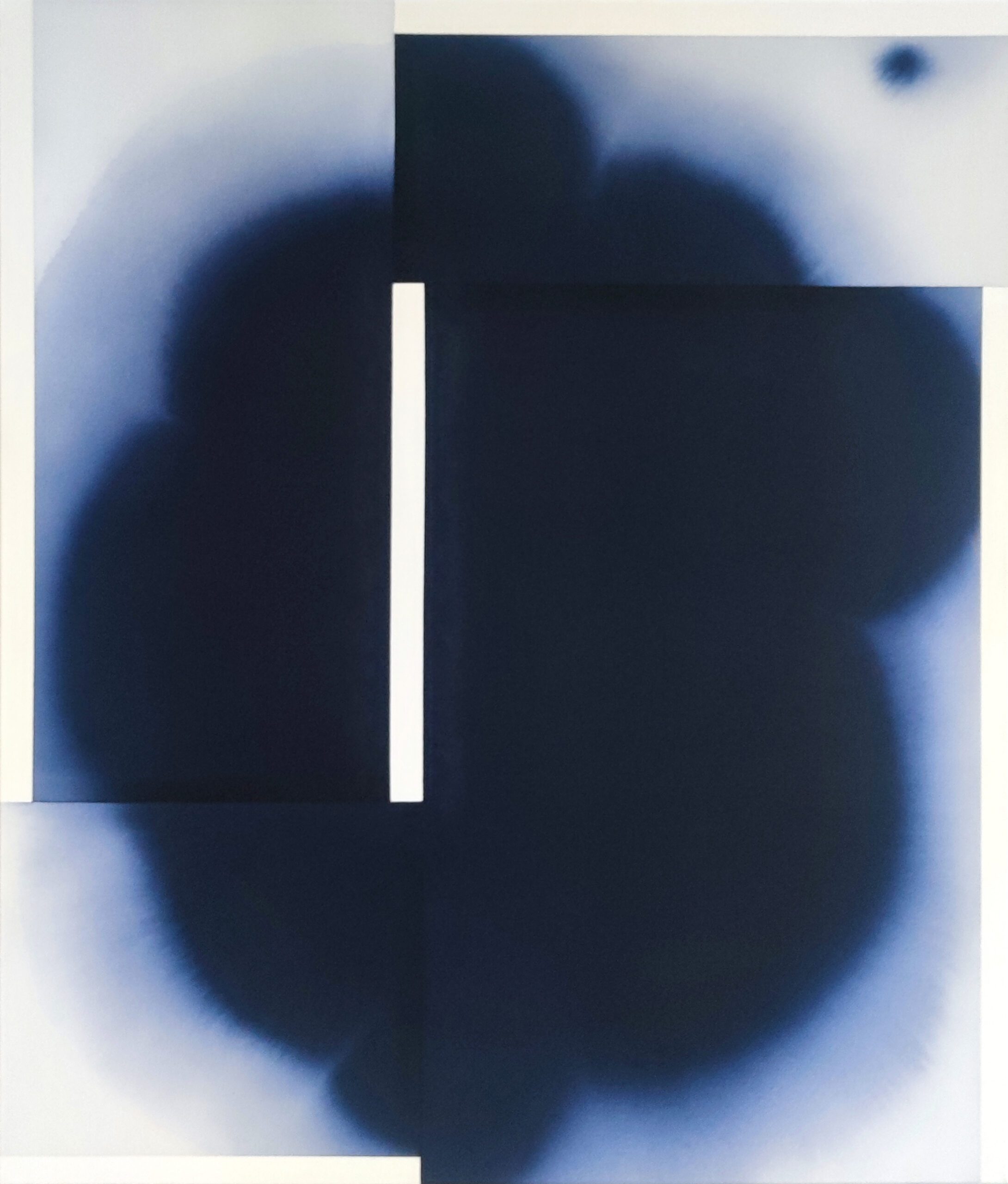
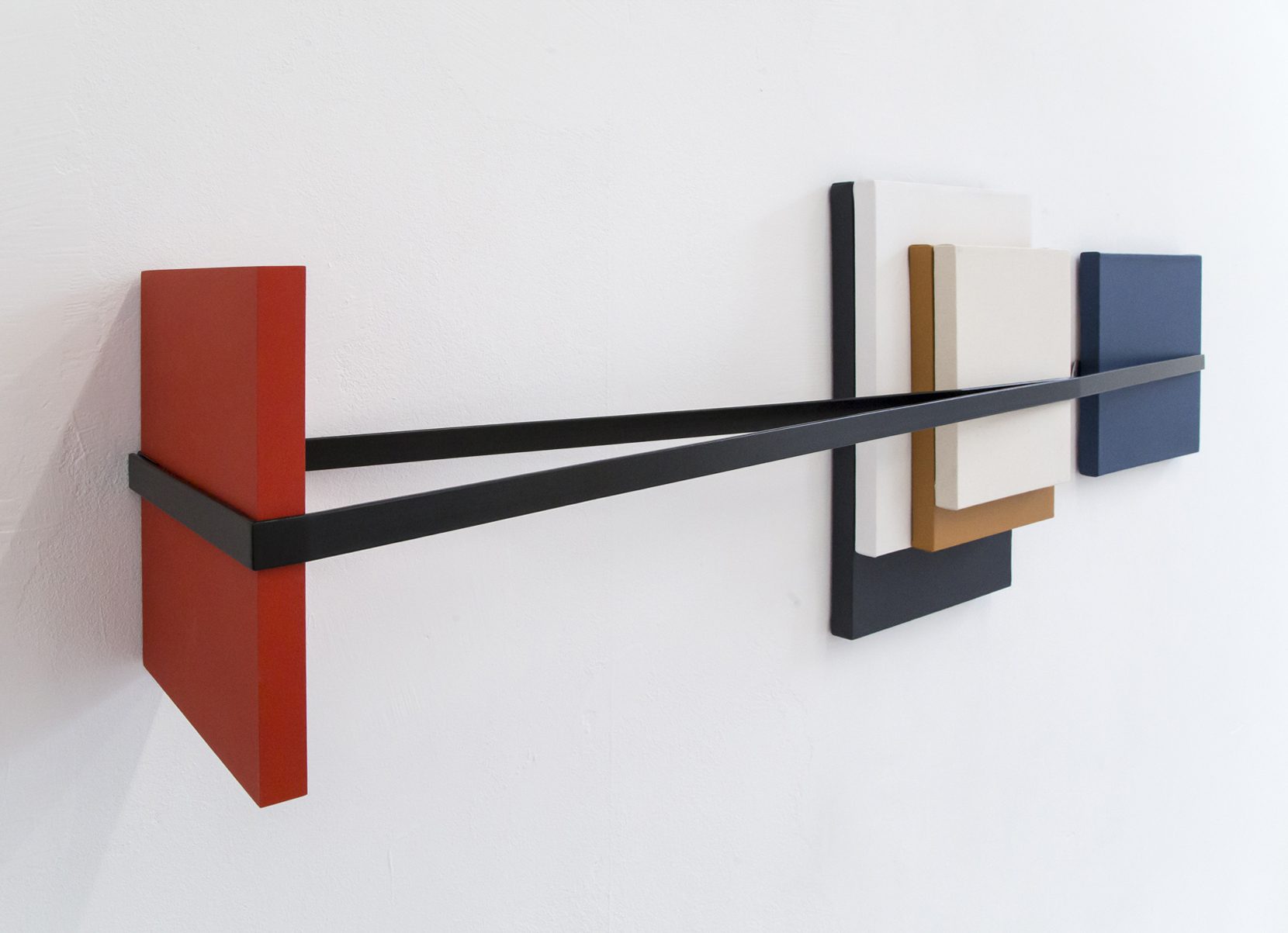
My painting practice operates within the field of (post-)abstraction, understood not as “pure form” but as an epistemic and communicative instrument. Rather than neutralising content, form activates it through relations, tensions, and difference. I begin with the constructive principles of the image: the division of the pictorial plane, modular composition, and the development of series. In this way, I mobilise the relational potential of the painting, which becomes a space of negotiation between gazes, values, and regimes of visibility.
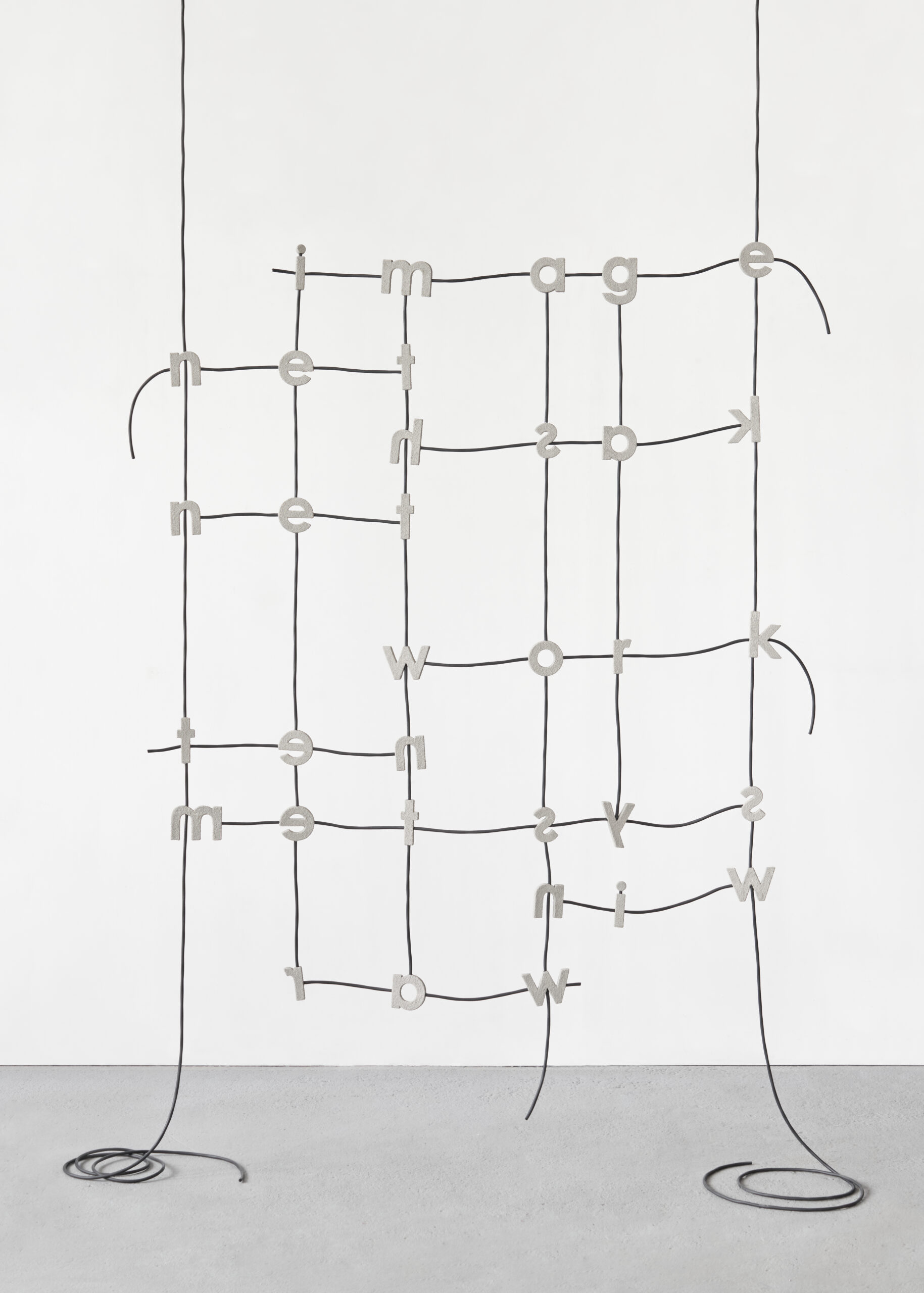
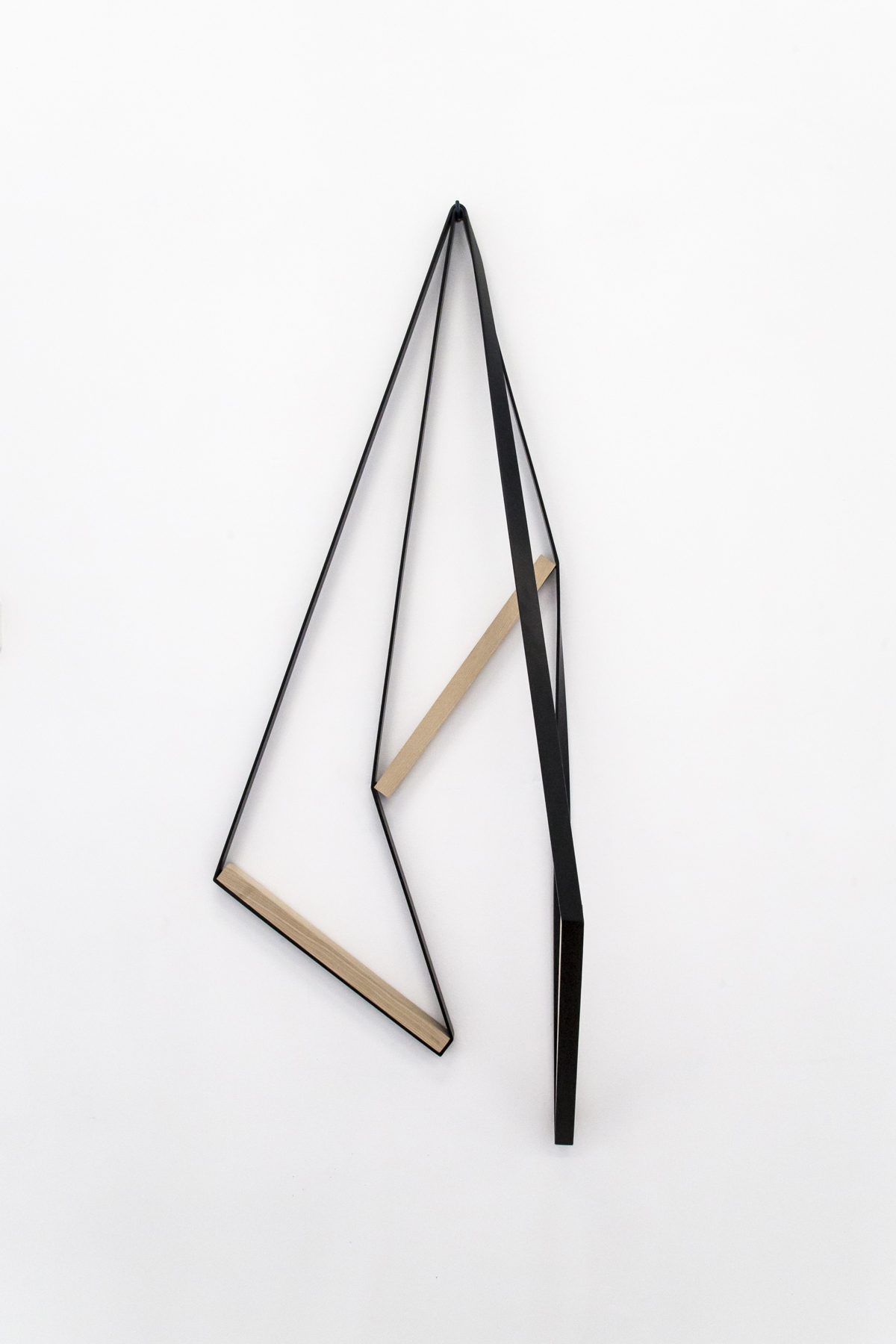
What is “divided” pertains not only to the image itself, but also to community, identity, and the economy of attention. Art, as an act of sharing an idea, can simultaneously produce proximity and reveal existing inequalities, isolation, or an absence of dialogue. Central to my interests are notions such as the grid, the system, and the network/web—understood both as formal motifs and as models for describing reality in its social, economic, and historical dimensions. Of particular significance to me is the modernist motif of the lattice/grid (discussed, among others, by Rosalind Krauss), which I treat as a matrix that both organises and problematises. The grid, line, boundary, or point are not merely compositional elements; they are carriers of meaning that provoke questions of division, control, normativity, and exception.
I employ strategies drawn from the aesthetics of collage and techniques of postproduction: cutting, fragmentation, repetition, recombination, and the conjunction of contradictions. These gestures—only ostensibly technical—I understand as fully meaningful. They become a form of “politics” and “philosophy” inscribed into the materiality of the image: they challenge the status quo of any totality and generate a space in which divergent values collide. In this way, I resist framing reality as an indisputable, one-dimensional whole. The image should rather disclose a multiplicity of perspectives and their irreducible friction than offer the semblance of objective description.
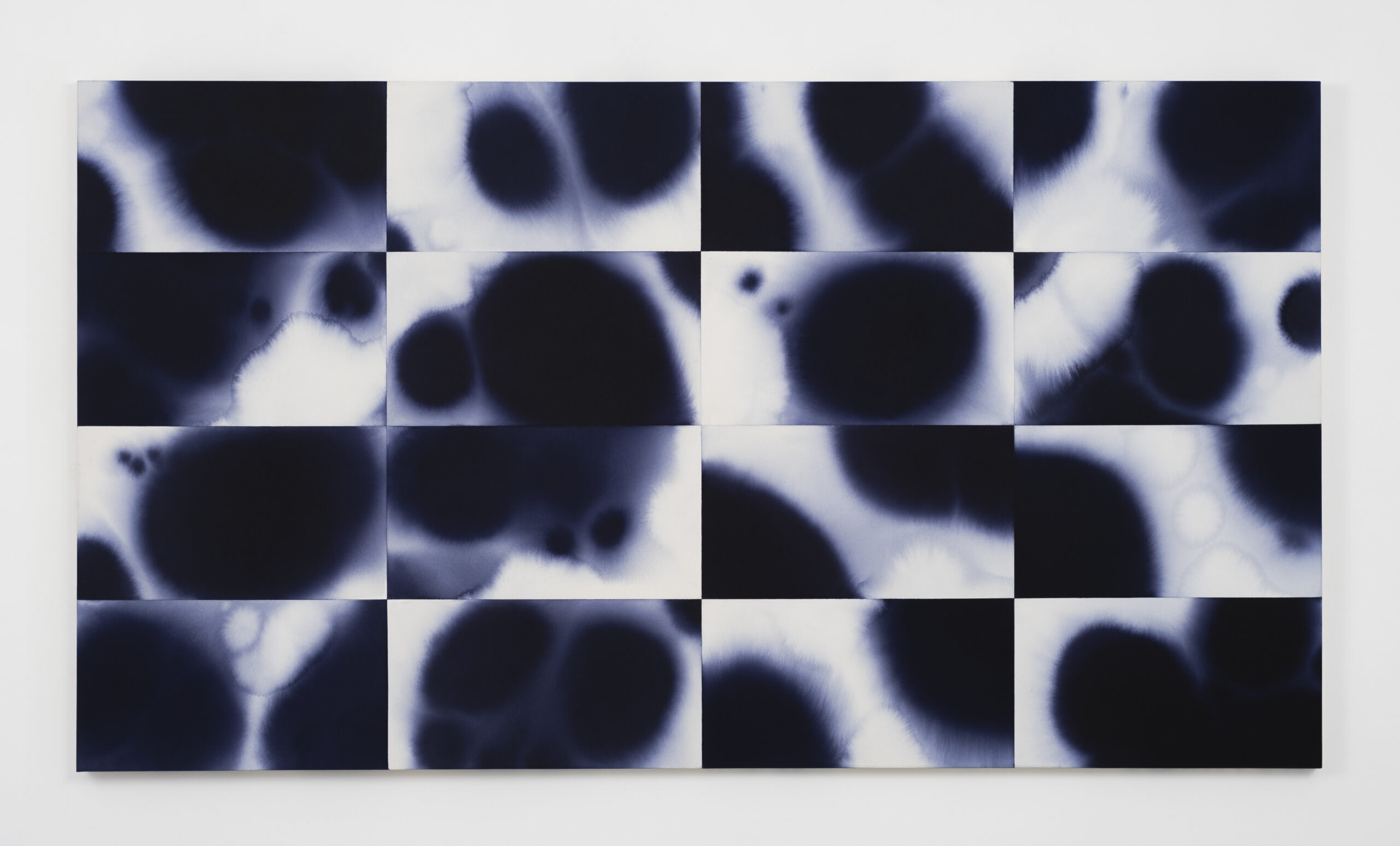
At the same time, I do not fully trust rigour. Relations are, for me, unpredictable; therefore I introduce contingency, organic processes, and the freedom of the painterly stain. In doing so, the order of the grid is negated, setting the image into pulsation or motion, instability, and deformation. I am interested in the tension between intentionality and event, project and memory, rule and that which escapes the script. Painting becomes the production of a situation over which I do not have complete control (for instance, working in fragments by masking parts of the canvas), in order to see whether the elements cohere into unity or instead generate dissonance, collision, or dispute.
I regard abstraction as inherently democratic—not because it is “easy,” but because it begins with a sensuous encounter in which ready-made interpretive schemes no longer apply. Every viewer possesses sufficient competence for the work to “come to completion” within them, each time differently. The image does not need to explain anything or “repair” the world. It can, however, create a space of attentiveness in which a fragment ceases to be the “inferior part” of a whole and becomes an autonomous unit capable of forming new constellations of meaning. For me, painting functions as a subtle ontology: a practice that allows one to think through the relation between unity and multiplicity, order and chaos, and, simultaneously, how we negotiate commonality in a world that is materially fractured.