
Paweł Fraciszek Jaskuła
I come from a small town in the Wielkopolska region. Since moving away for my studies and regularly traveling to other art centers such as Warsaw or Berlin, the financial and class aspects have become highly visible and extremely significant to me.
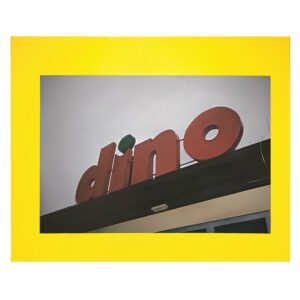
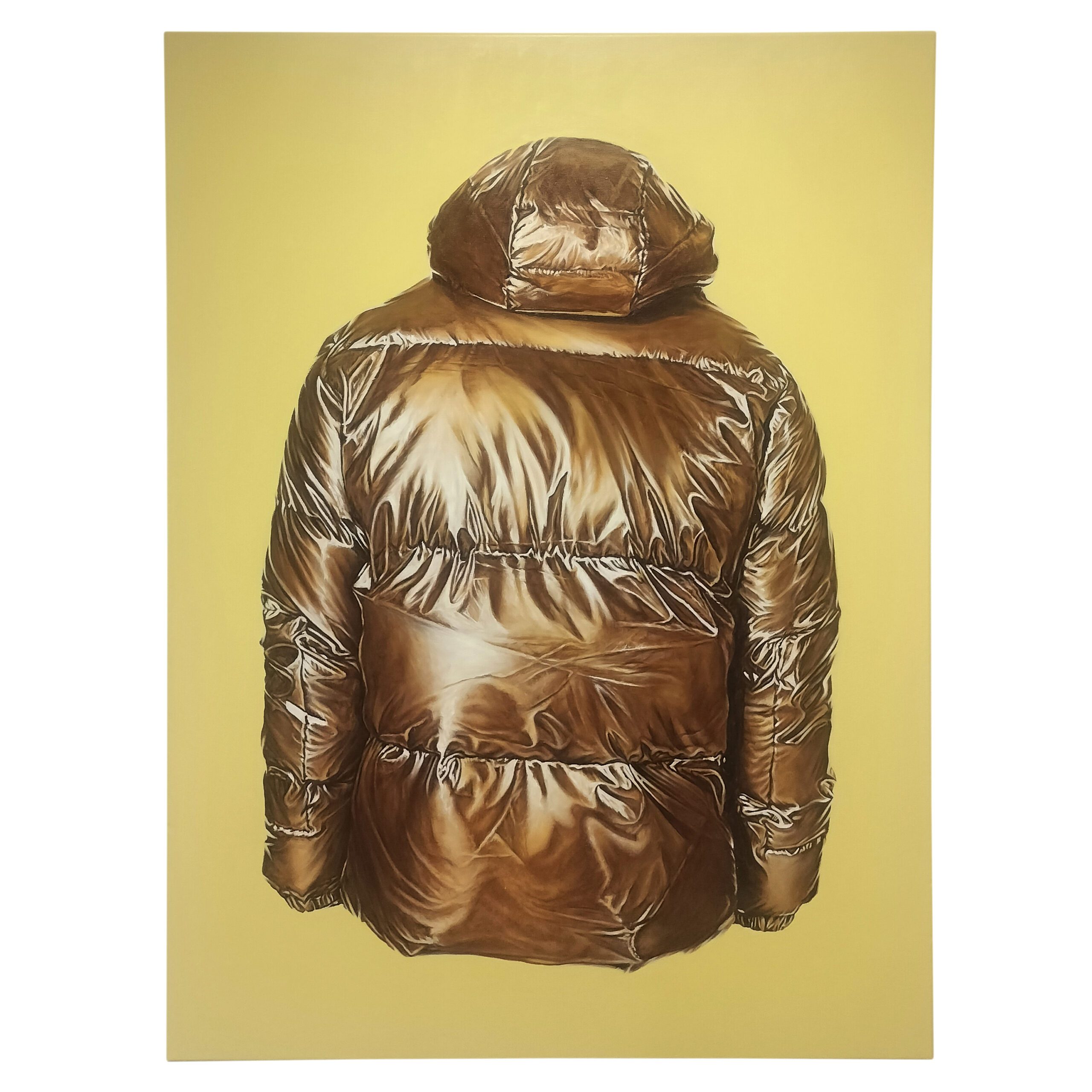
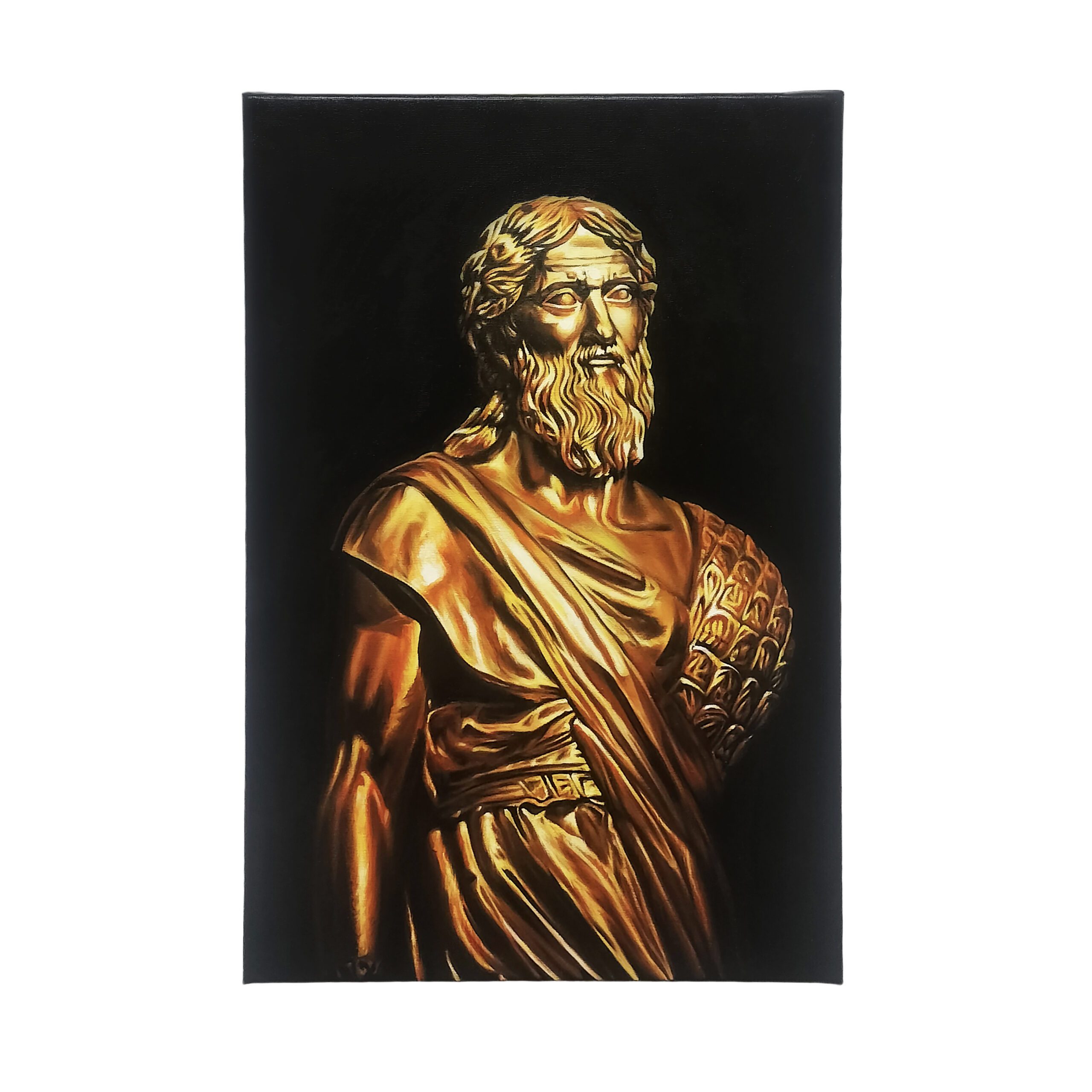
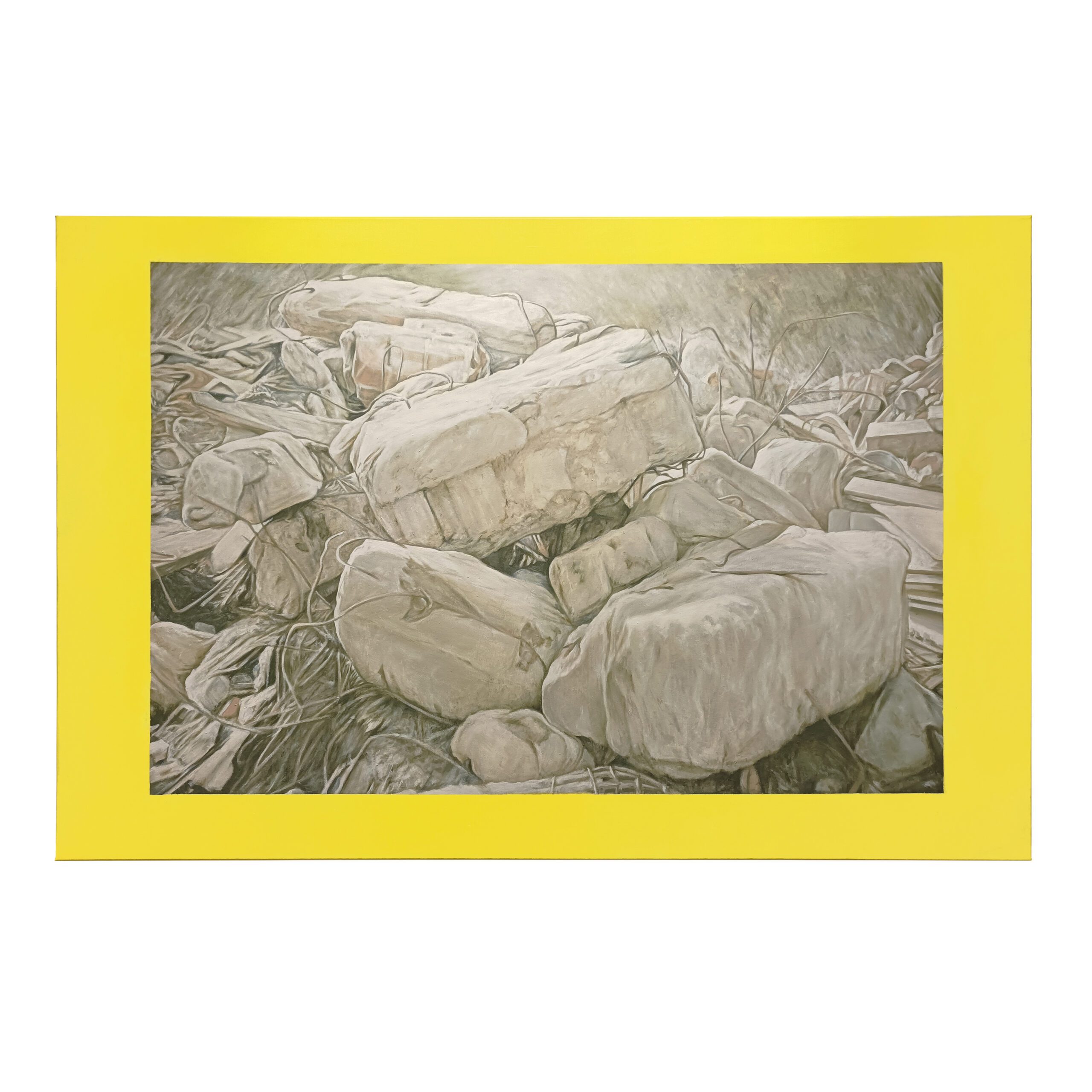
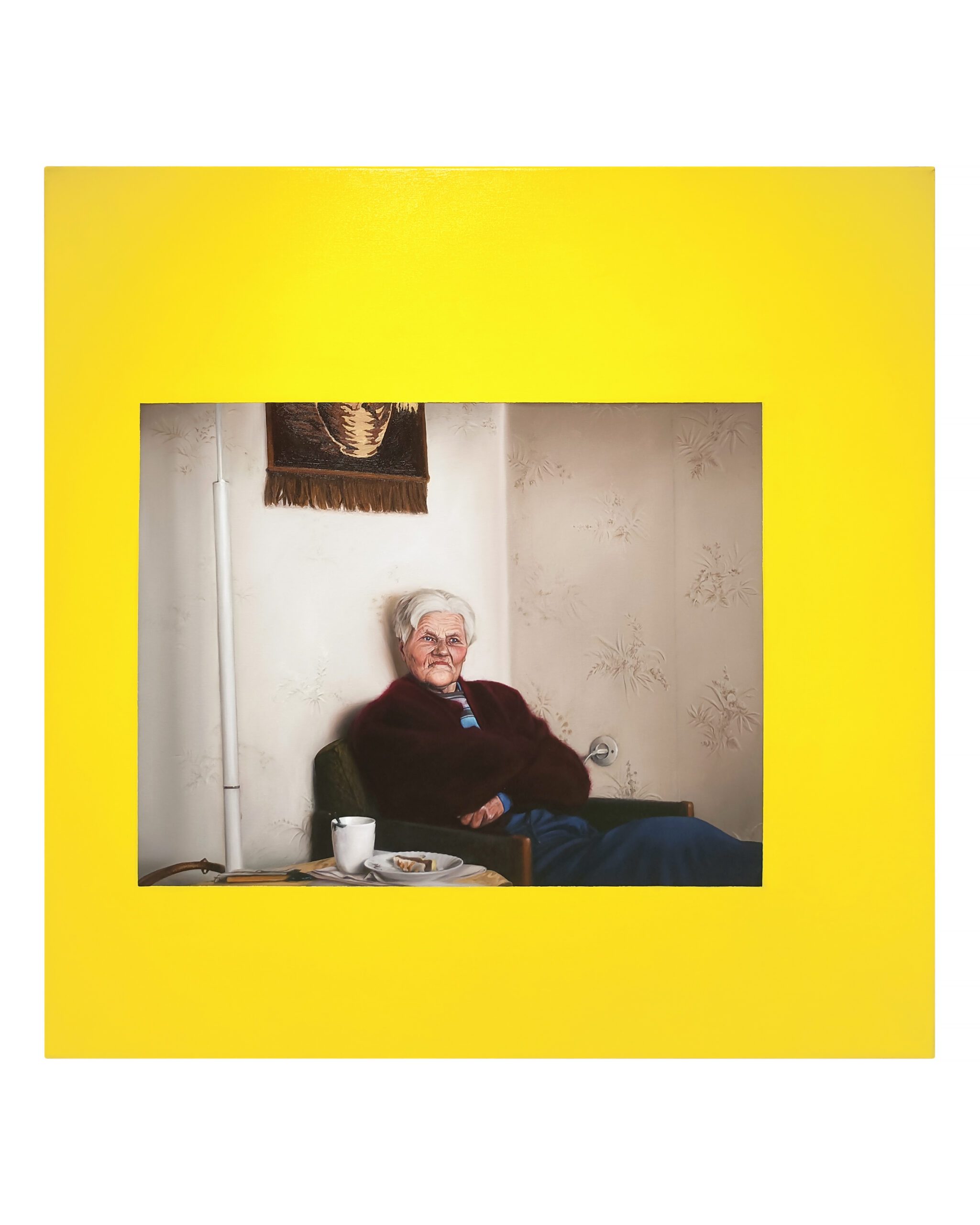
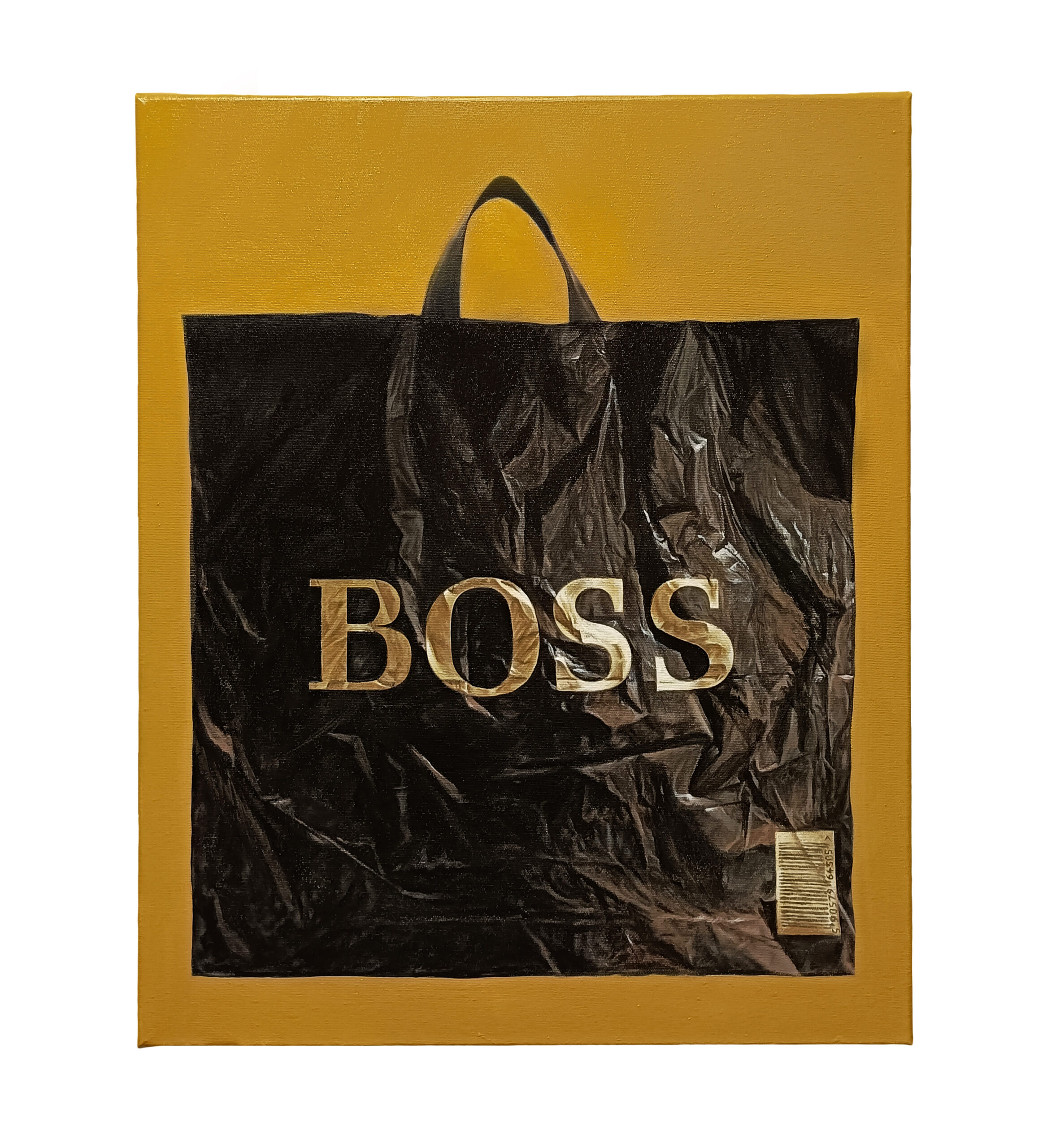
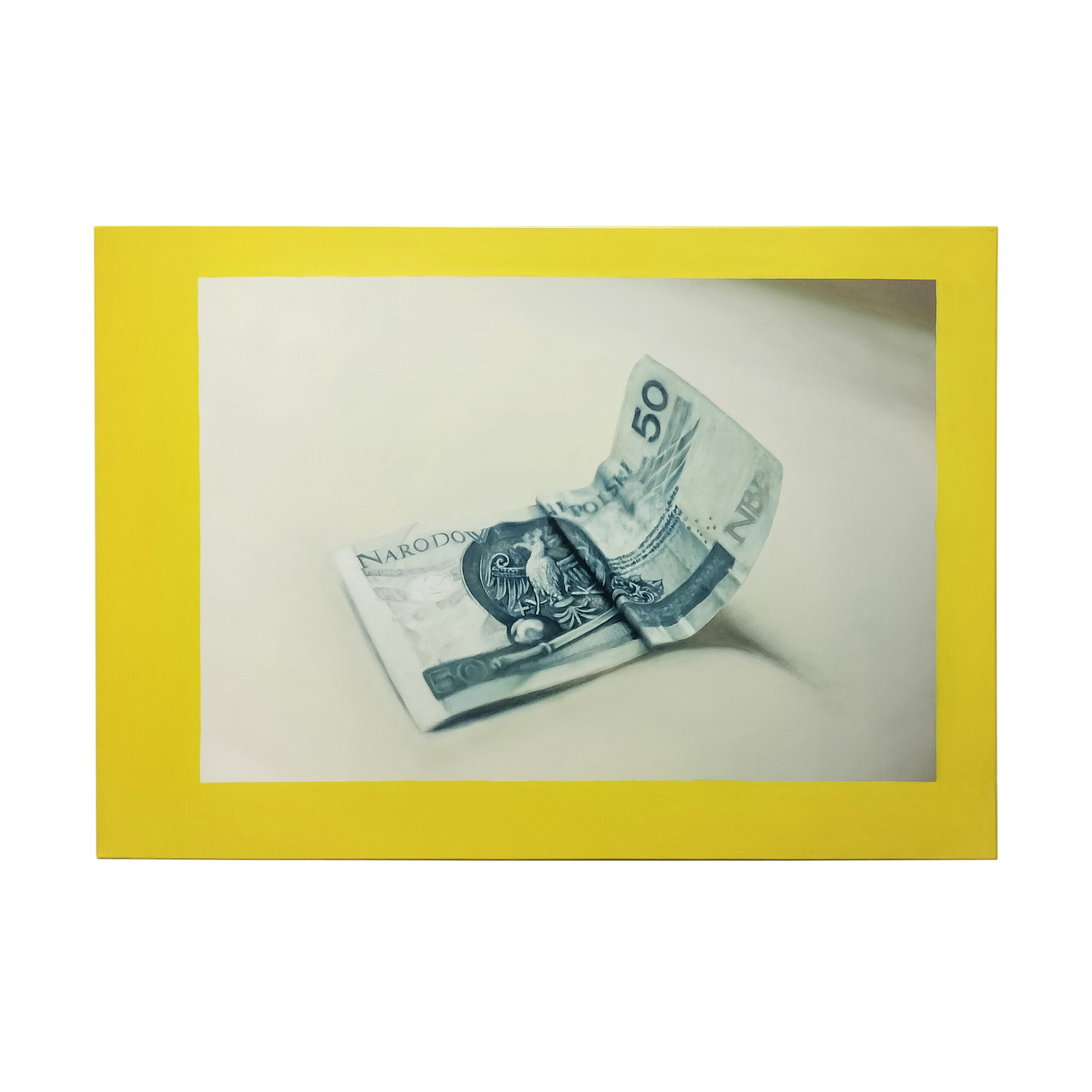
In my practice, I combine painting, photography, and works on the boundary between object and installation. At the center of my artistic inquiry are gold, money, and the concept of value. I examine how culture and economic systems transform matter into a symbol of power, prestige, and desire. I treat gold both as a tangible material and as a metaphor for permanence, the sacred, capital, and control. I am interested in the tension between authenticity and cultural-financial constructs.
In my works, I often refer to class structures and the aesthetics of luxury and provinciality, juxtaposing them with reflections on the fragility of financial systems and the illusory nature of wealth. Through my practice, I attempt to critically yet poetically examine contemporary material culture – how aesthetics intertwine with economics and how objects organize our thinking about the world and about one another.
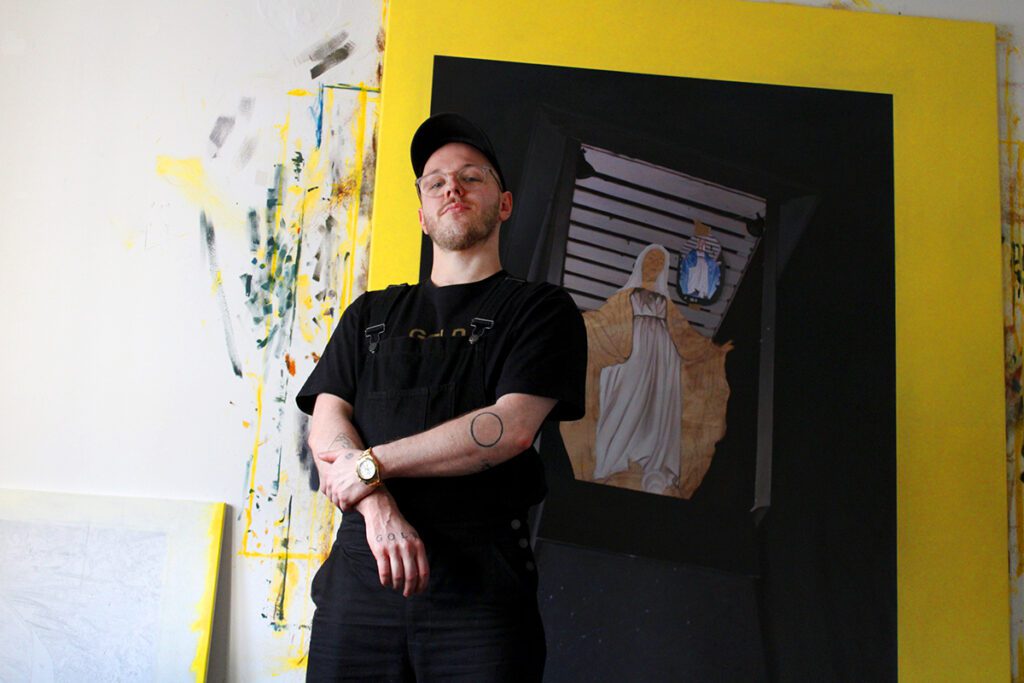
Paweł Franciszek Jaskuła, born in 1993 in Poznań, Poland, is a visual artist, painter, and photographer. He graduated in Painting and Photography from the Magdalena Abakanowicz University of the Arts in Poznań.
Jaskuła’s works have been presented in numerous galleries across Poland, including the Centre of Contemporary Art in Toruń, Survival Art Review in Wrocław, Rodriguez Gallery, Szczur Gallery, Wozownia Gallery in Toruń, the Baltic Gallery of Contemporary Art in Słupsk, Labirynt Gallery in Lublin, the Art Gallery in Legnica, and Arsenał Gallery in Poznań.
For the past two years, the artist has been included in the Kompas Młodej Sztuki ranking, which highlights leading young Polish artists under the age of 35.
For many years, Jaskuła has explored themes of gold, money, and material value in culture and art, examining phenomena such as post-socialist transformation, class structures, and differing perceptions of wealth between provincial areas and major urban centers.