Konrad Smela
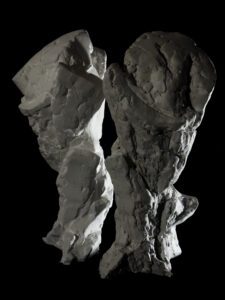
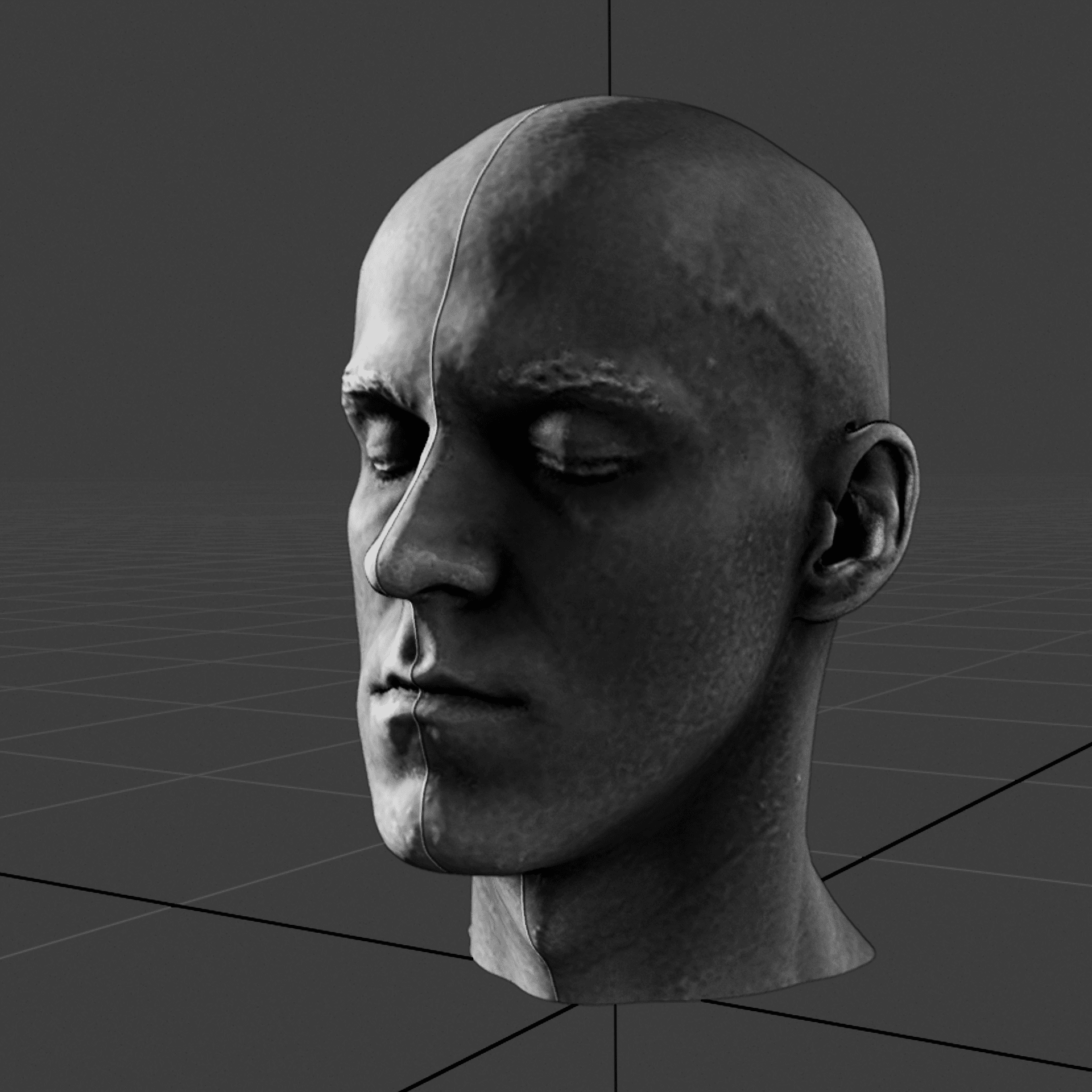
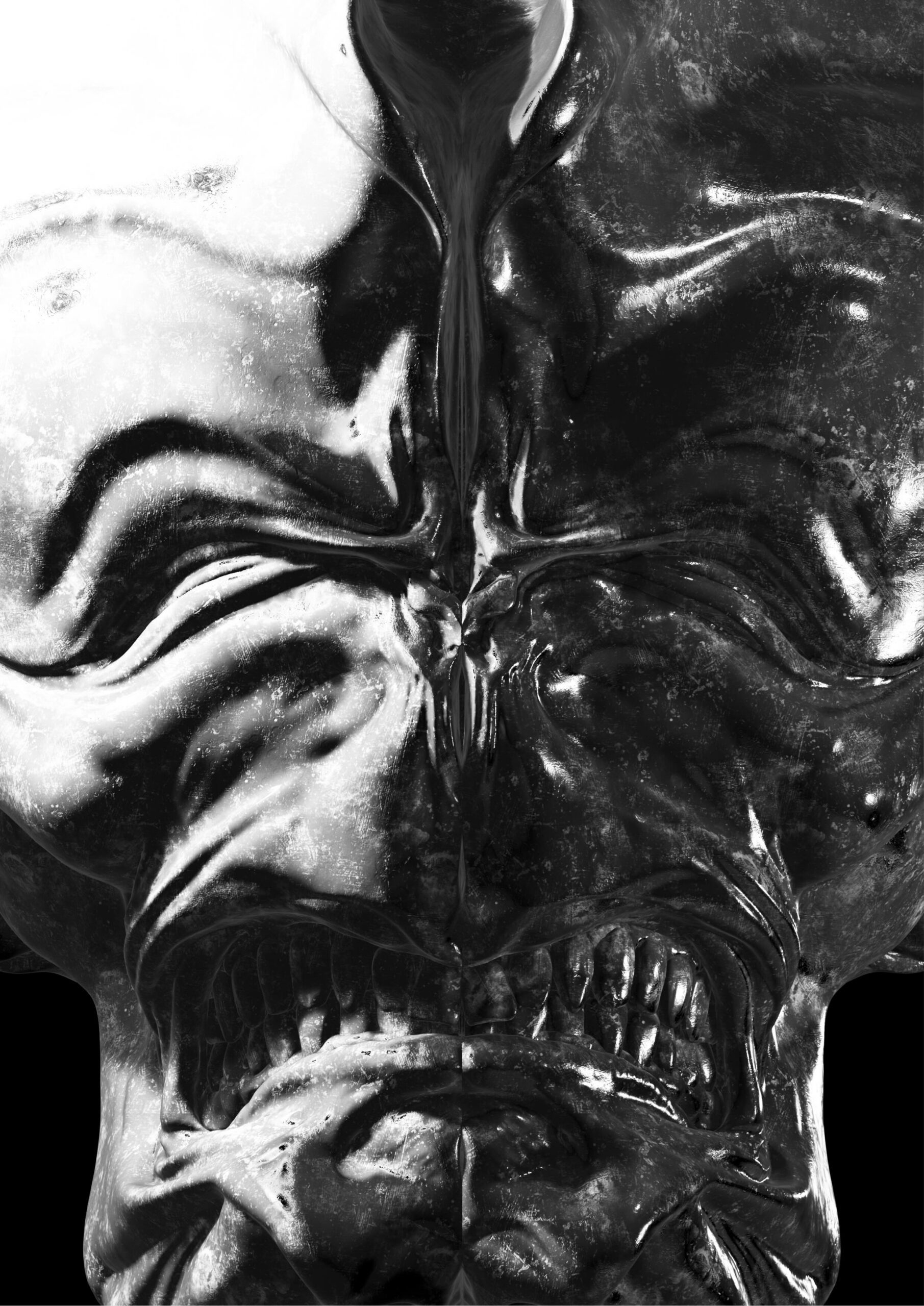
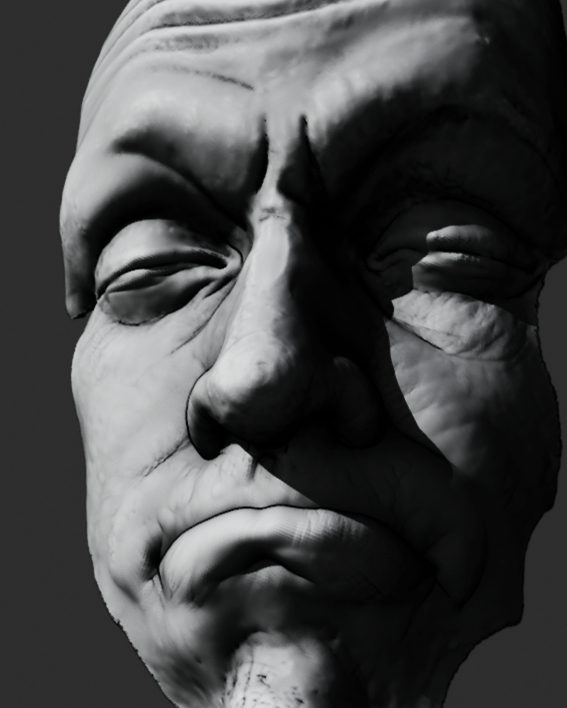
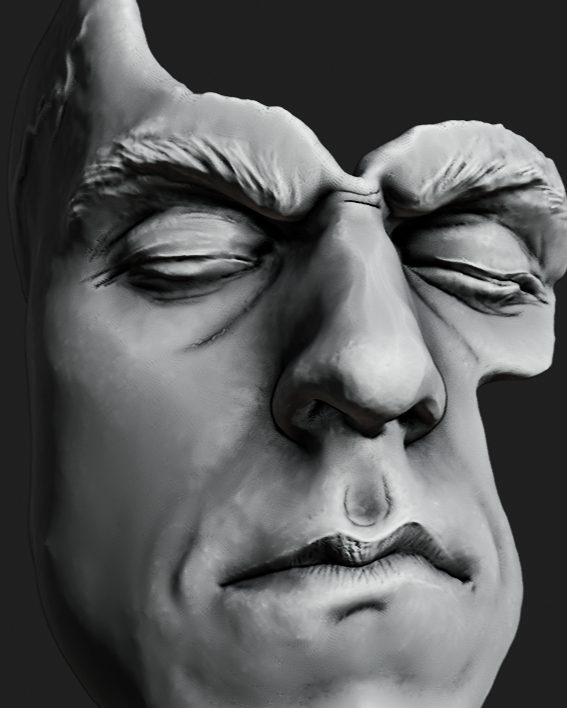
In recent years, my artistic practice has been devoted to exploring the potential of new technologies in sculpture, such as broadly understood 3D modelling and digital sculpture, 3D scanning, and 3D printing. Most of my works are based on an attempt to harness the properties of the materials used and the new possibilities offered by the aforementioned categories. Each new technique, just like traditional ones, determines the way I work and opens up a different range of formal possibilities. I try to discover as many of these as possible, which is why my works span varied subject matter and are rendered in different stylistic registers — from grotesque exaggeration of human facial expressions, through linear relief loosely referencing nature, to complete abstraction.
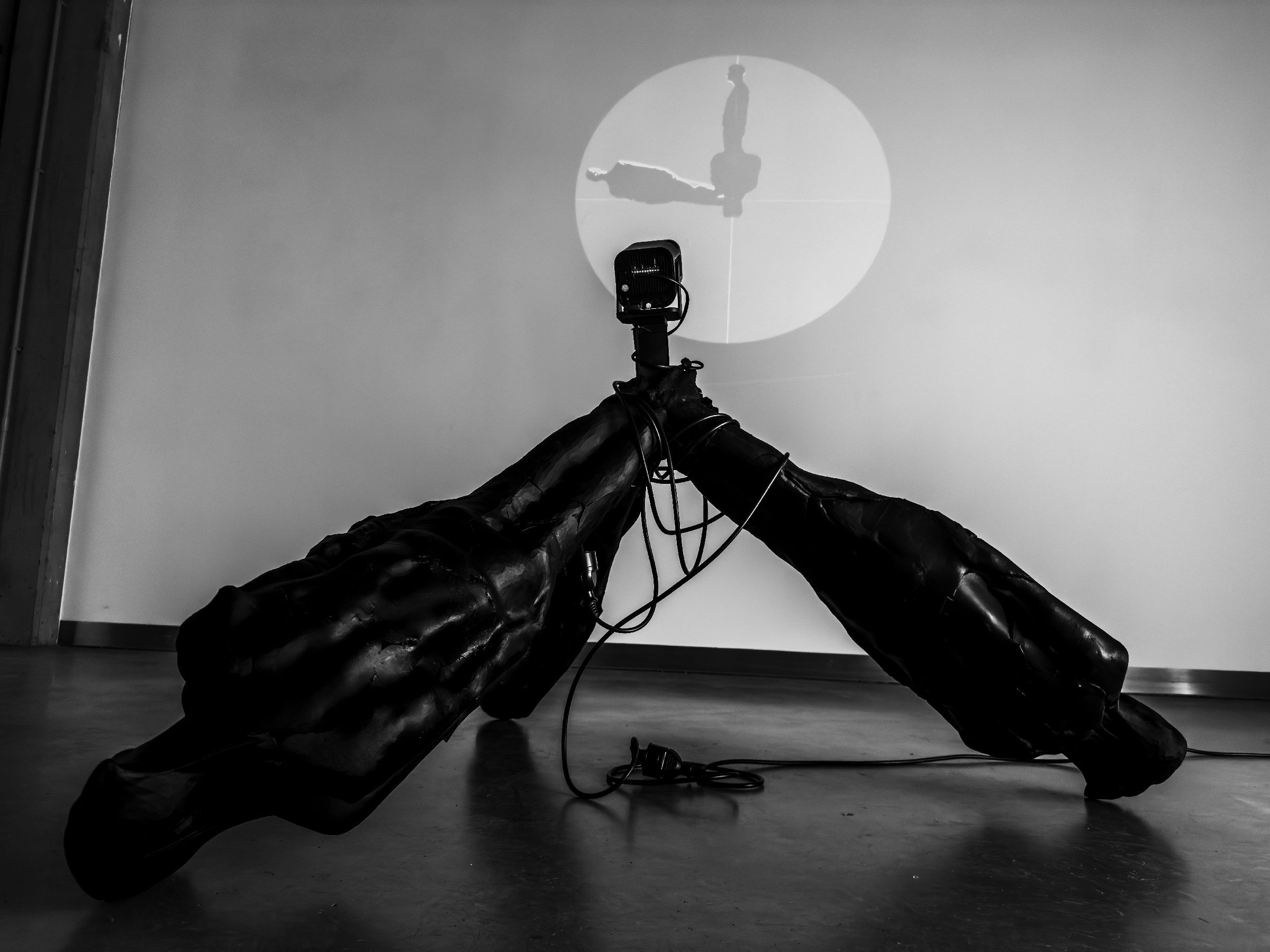
The need for experimentation and the search for new solutions is also rooted in my work with students at the Sculpture Department of the Magdalena Abakanowicz University of the Arts in Poznań — since 2024 I have been coordinating the Digital Techniques in Sculpture Laboratory, which has strongly shaped the character of my works. These are also created with a view to acquiring new knowledge, which is later passed on through teaching. Most works are produced using 3D printing, 3D scanning, video projection of 3D animation, as well as renders used as 2D graphics forming an integral part of the sculptural work.
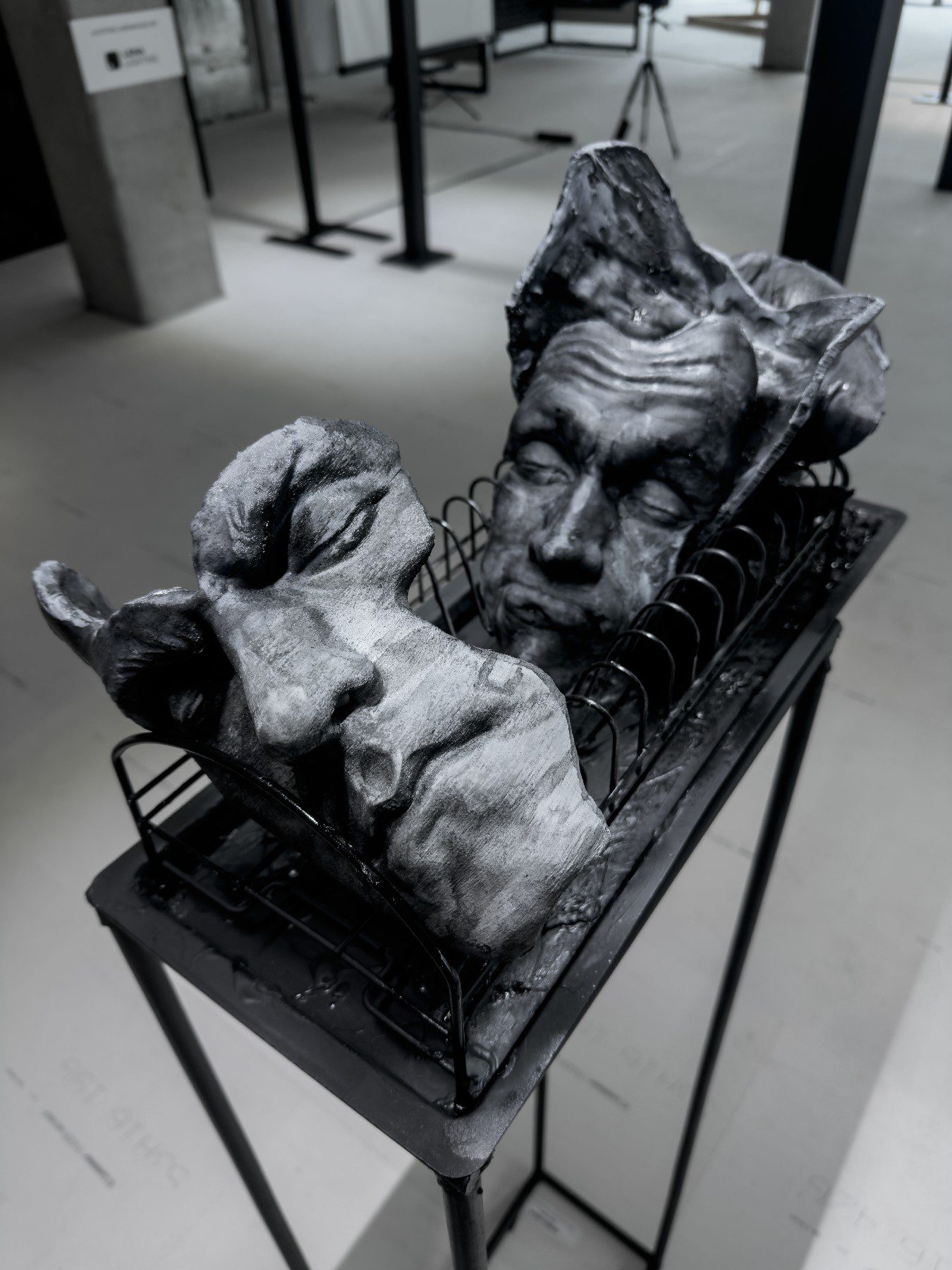
I also work as an assistant in the study sculpture studio at the aforementioned Sculpture Department — a practice grounded in the study of nature, the live model, and the use of traditional materials such as clay, plaster, and so on. Hence, part of my most recent explorations involves an attempt to build a bridge between traditional techniques and new technologies. Some of the works I am currently developing are based on a juxtaposition of tangible matter with matter of digital origin. I am trying to return to themes I explored long ago — dating back to my student years — in order to reinterpret them through the lens of accumulated experience and the possibilities afforded by newly acquired knowledge and practice.
konrad.smela@uap.edu.pl
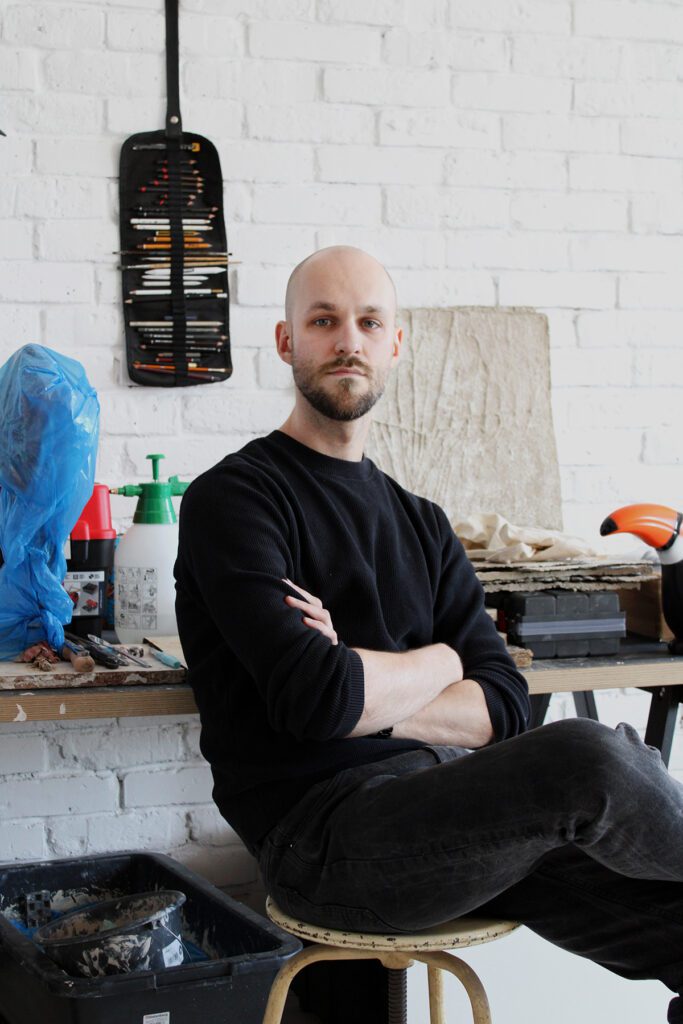
Konrad Smela. Born in 1996 in Poznań. In 2016, he graduated with distinction from the Piotr Potworowski Fine Arts High School in Poznań, specialising in Spatial Design. In 2022, he graduated with distinction from the Magdalena Abakanowicz University of the Arts in Poznań with a degree in Sculpture. His practical master’s work was nominated for the Maria Dokowicz Award for the best UAP diploma, as well as for the nationwide Best Diplomas of the Academy of Fine Arts 2022 competition in Gdańsk.
He has participated in numerous group exhibitions both in Poland (including Poznań, Warsaw, Toruń, Kraków, Katowice, and Lublin) and abroad (Czech Republic, France). Since 2022, he has been working at his home university as an assistant in the 3rd Studio of Sculpture and Environment — Study Sculpture. In 2023, he presented two solo exhibitions of sculpture and drawing. He also curated a group exhibition project and a zine publication entitled “Umieralnia” (“The Dying Room”), and since 2023 has served as commissioner and co-curator of the Student Biennial of Small Sculptural Form named after Professor Józef Kopczyński.
He is interested in a broad range of sculptural and drawing techniques — from classical approaches to new technologies. Formally, he works with both figuration and abstraction. He does not entirely believe in the mutual exclusivity of these concepts, preferring to treat them as two opposite poles on a spectrum.
His recent work is oriented toward exploring the potential of new technologies in sculpture, such as digital sculpting, 3D scanning, and 3D printing. He draws inspiration from experienced emotions (usually negative ones), (pop)cultural themes, and existential reflections.